
Home > Product Sticker > Pharmaceutical Label Printing – GMP-Compliant Medicine Labels
Pharmaceutical Label Printing – GMP-Compliant Medicine Labels
Pharmaceutical Label Printing – GMP-Compliant Medicine Labels
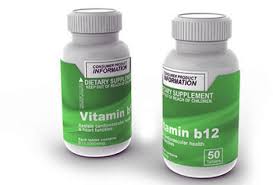
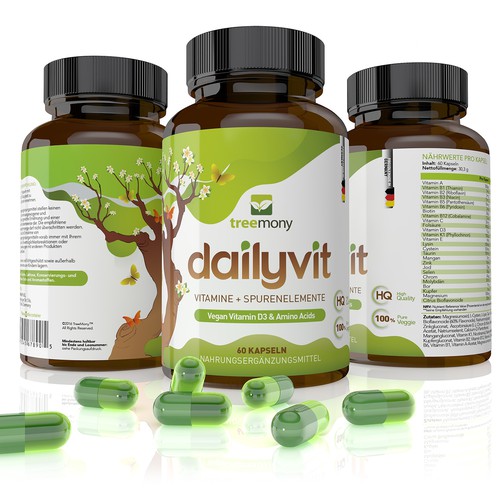

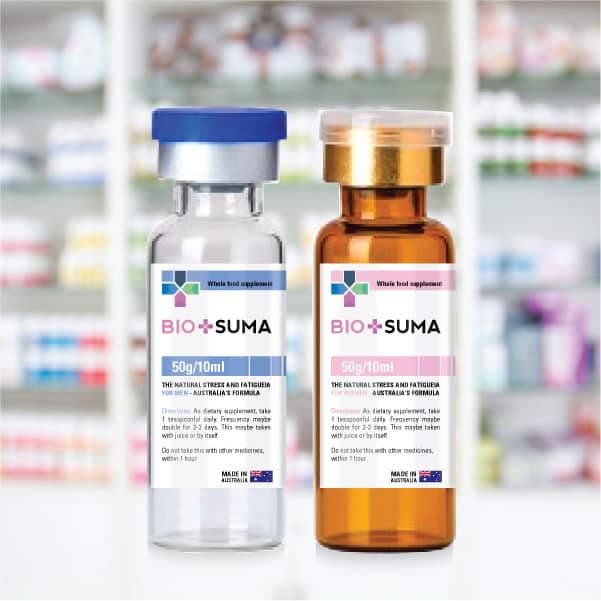
Our Pharmaceutical Labels are designed to meet the strict standards of the medical and healthcare industry. These labels are essential for prescription drugs, over-the-counter medications, syrups, ointments, and medical devices. They ensure accurate dosage instructions, regulatory compliance, and patient safety.
Crafted with high-quality, pharmaceutical-grade adhesives and materials, these labels can be customized with batch numbers, expiry dates, barcodes, QR codes, and multilingual content. Tamper-evident options are available for added safety. All labels are compliant with industry standards like FDA, GMP, and WHO guidelines.
Key Features:
Pharmaceutical-grade adhesive & materials
Tamper-proof, smudge-proof, and waterproof
Supports barcodes, batch codes, expiry & manufacturing dates
Complies with medical labeling regulations
Custom designs for tablets, vials, bottles, blister packs, and more
Pharmaceutical Label Types
Pharmaceutical labels play a critical role in ensuring product identification, patient safety, regulatory compliance, and brand integrity. Different types of pharmaceutical labels are designed to meet specific packaging and application requirements.
Prescription Drug Labels
These labels contain essential information such as drug name, dosage instructions, patient details, warnings, and prescribing information.
Bottle Labels
Commonly used for medicine bottles, syrups, tablets, and capsules, bottle labels provide clear product identification and usage details.
Tamper-Evident Labels
Designed to indicate whether a product has been opened or altered, tamper-evident labels enhance consumer safety and product security.
Multi-Layer Labels
These labels provide additional space for detailed instructions, multilingual information, dosage guidelines, and regulatory content.
Vial and Ampoule Labels
Specially designed for small pharmaceutical containers, these labels ensure readability while fitting limited surface areas.
Clinical Trial Labels
Used in research and testing environments, clinical trial labels contain tracking information, batch numbers, and regulatory details.
Compliance: GMP, FDA & WHO
Pharmaceutical labels must adhere to strict regulatory standards to ensure patient safety and product authenticity.
GMP-Compliant Labels
Good Manufacturing Practice (GMP) guidelines require accurate, durable, and traceable labeling throughout the production and distribution process.
FDA Labeling Requirements
Pharmaceutical products distributed in regulated markets must comply with FDA labeling standards, including ingredient disclosure, dosage instructions, warnings, and safety information.
WHO Guidelines
World Health Organization (WHO) recommendations help ensure pharmaceutical labeling supports global safety standards, proper medication use, and product traceability.
Traceability and Quality Assurance
Compliant labels facilitate product tracking, recall management, inventory control, and counterfeit prevention throughout the supply chain.
Custom Features (Barcodes, Expiry)
Modern pharmaceutical labels can be customized with advanced features to improve efficiency, compliance, and patient safety.
Barcodes and QR Codes
Enable accurate product identification, inventory management, and supply chain tracking while reducing manual errors.
Batch and Lot Numbers
Support product traceability and quality control by allowing manufacturers to track production batches.
Expiry Date Printing
Clearly displays expiration dates to ensure safe medication usage and regulatory compliance.
Variable Data Printing
Allows unique information such as serial numbers, manufacturing dates, and product-specific details to be printed on each label.
Anti-Counterfeit Features
Security elements such as holograms, tamper-evident materials, and serialized codes help protect products from counterfeiting.
Durable Label Materials
Available in moisture-resistant, chemical-resistant, and temperature-resistant materials suitable for pharmaceutical environments.
FAQs
Why are pharmaceutical labels important?
Pharmaceutical labels provide critical information about medication usage, dosage, safety warnings, ingredients, and regulatory compliance.
What information should be included on pharmaceutical labels?
Typically, labels include the product name, active ingredients, dosage instructions, batch number, manufacturing date, expiry date, warnings, and barcode information.
Are pharmaceutical labels required to comply with regulations?
Yes. Pharmaceutical labels must meet applicable GMP, FDA, WHO, and local regulatory requirements depending on the market.
Can pharmaceutical labels include barcodes and QR codes?
Yes. Barcodes and QR codes are widely used for product tracking, inventory management, authentication, and patient information access.
What materials are used for pharmaceutical labels?
Pharmaceutical labels are commonly manufactured using paper, polypropylene, polyester, and specialty materials designed for durability and compliance.
Can pharmaceutical labels be customized?
Yes. Labels can be customized with variable data, serialization, security features, tamper-evident elements, and branding requirements.
FAQ
No FAQs found.